
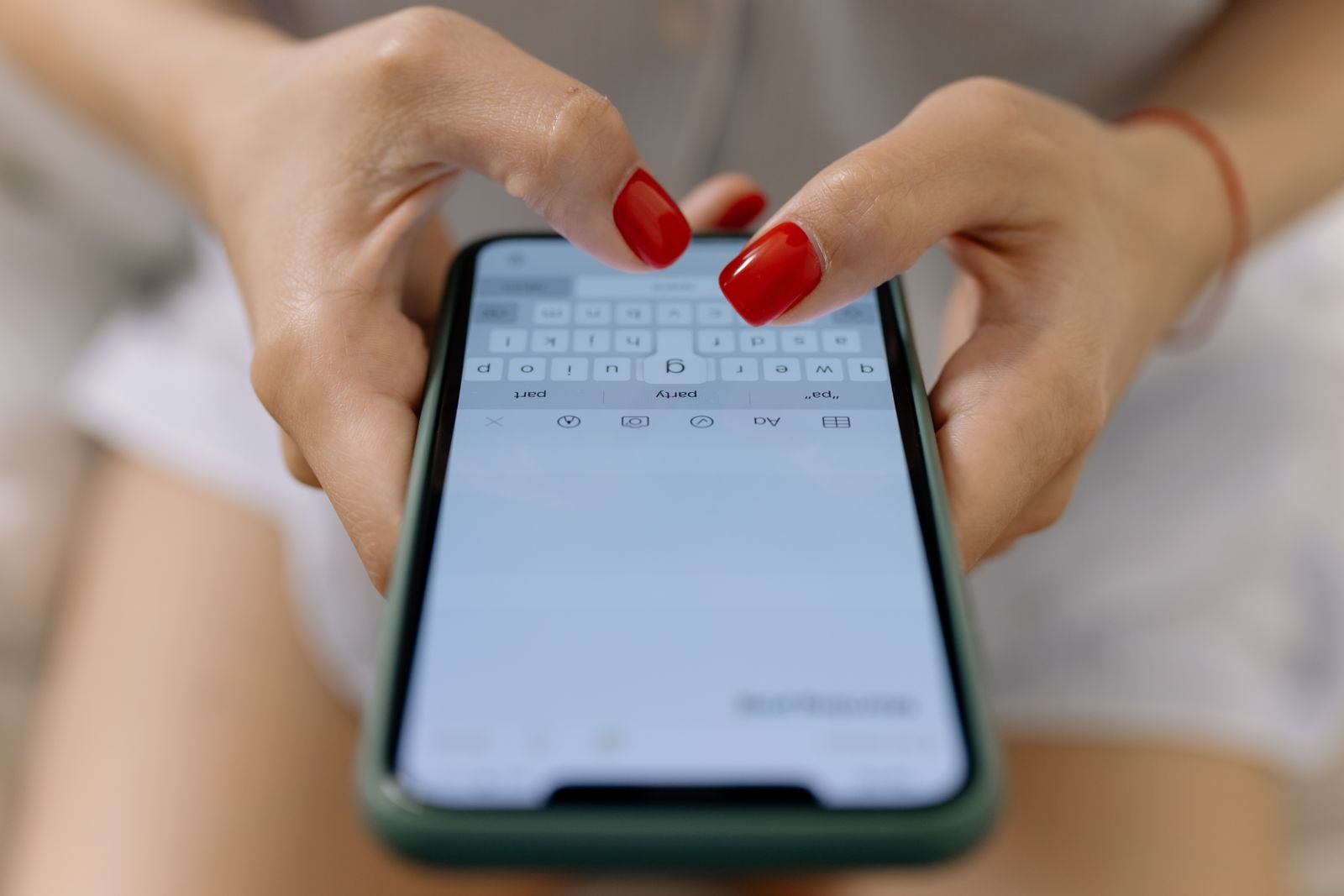
The communication channel your congregation actually responds to.
Every church leader knows the follow-up gap. Someone visits on Sunday. They fill out a card. The card gets entered into the system. And then… the clock starts ticking. How quickly does someone reach out? And more importantly—how?
For years, the standard was a phone call or an email. Both are fine. But here’s the reality: most people under 50 don’t answer calls from unknown numbers. And emails get buried. The follow-up happens, but the connection doesn’t.
Texting changes that.
Why texting works for churches
Text messages have a 98% open rate. Most are read within three minutes. Compare that to email, where you’re lucky to get a 20% open rate, and phone calls, where you’re increasingly likely to hit voicemail.
But it’s not just about the numbers. Texting works because it meets people where they are. It’s low-pressure. It doesn’t demand an immediate response. And for someone who’s just dipping their toe into a new church community, that’s exactly the right energy.
A simple text that says, “Hey, we’re so glad you visited this weekend. No pressure at all—just wanted to say welcome and let you know we’re here if you have any questions” goes further than you’d think.
The key: text from the church number, not your personal phone
This is where a lot of churches get tripped up. A well-meaning staff member or volunteer texts a visitor from their personal phone. The intention is great. But the execution creates problems.
There’s no record of the conversation in the church’s system. If that person leaves the team, the relationship goes with them. And the visitor now has a personal cell phone number instead of a church contact—which gets complicated fast.
When your team texts from a unified church number through a platform like Intulse, every message is logged in the ChMS, visible to the team, and tied to the church’s identity—not an individual’s.
Beyond first-time visitors
Smart churches aren’t just using texting for visitor follow-up. They’re using it for small group coordination, prayer requests, event reminders, volunteer scheduling, and pastoral care check-ins.
The beauty of texting through a church phone system is that all of these conversations are logged, trackable, and visible to the right people. It’s not a side channel. It’s the main channel—with accountability built in.
Closing the gap
The follow-up gap isn’t a people problem. It’s a systems problem. Churches that close it aren’t necessarily working harder. They’re working smarter—with tools that match how people actually communicate today.
If your church is still relying primarily on phone calls and emails for follow-up, you’re not doing anything wrong. But you might be leaving connections on the table.
Texting won’t replace the personal touch. It opens the door to it.
See how Intulse texting works for churches:
https://intulse.com/church